
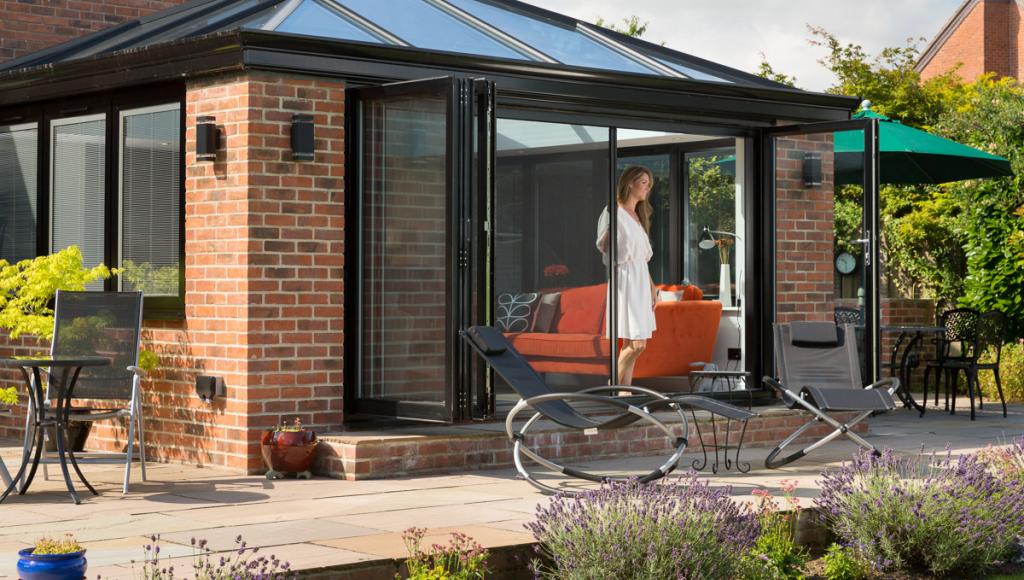
A bright room with large windows and doors can be a lovely feature in a home, but too much direct sunlight can cause problems. While the space might look beautiful first thing in the morning, it can become too hot and difficult to use later in the day. You may find yourself closing curtains just to make the space bearable.
Finding the right balance between natural light and comfort is important in rooms that get lots of sunshine. At Cambridge Blinds, we often help homeowners find window coverings that let them manage daylight without making the room feel dark, heavy, or closed in.
Depending on the room and how it’s used, some solutions might be better than others. If certain parts of your home get too much sun, these are the main things we suggest considering before choosing your window coverings.
Work Out What the Problem Actually is
Before choosing a window covering, it helps to understand the problem you’re trying to solve. ‘Too much sun’ can mean several different things. In some rooms, the issue is heat. The space warms up quickly and becomes uncomfortable to use. In others, glare is the main problem, especially where sunlight hits a TV or laptop. Some people are more concerned about privacy, while others want to protect flooring, furniture or soft furnishings from fading.
It can also depend on the time of day when the sun causes problems. Morning sun in a bedroom might mean you need better light control. Afternoon sun in a kitchen-diner might mean heat is more of an issue. Low evening sun in a living room can be more about glare than temperature. Once you know the main problem, it becomes much easier to choose a window covering that genuinely helps rather than simply looks good.
For Heat, Think About Stopping Sun Before it Builds Up
If the room gets too hot, the most important thing is to stop the heat before it builds up. When sunlight passes through glass, it quickly warms the floors, worktops, furniture and walls inside. Once these surfaces are warm, the room can stay uncomfortable even after the sun has moved.
Internal blinds can help reduce brightness and improve comfort, but if heat is the main issue, it may be worth considering how much sunlight is reaching the glass in the first place. Sometimes, external window blinds can be a great choice, as they help control sunlight before it enters the room. If you have a large area of glazing, a south-facing room, a garden room or a modern extension that overheats, it’s worth discussing this option during a consultation.
The aim isn’t always to block the sun out completely. It’s usually to soften its impact so the room stays easier to use throughout the day.
For Glare, Choose Adjustable Light Control
Glare is one of the most common reasons homeowners ask for advice. It can make everyday tasks frustrating, from working on a laptop to watching TV. For glare, flexibility is key. You might not need blackout, especially in a living room or kitchen. Instead, you might need a window covering that reduces harsh light while still allowing the room to feel bright.
In these situations, adjustable options can work well. Vision blinds and silhouette blinds, for instance, can give you more control over the direction and amount of light entering the room. Traditional shutters are still an excellent option too. The louvres can be tilted to soften sunlight while still keeping some daylight and privacy. Interior window shutters are available in various styles and can be adapted to your specific needs.
For Privacy, Avoid Making the Room Too Dark
Privacy can be tricky in a bright room. You might want to stop people from seeing in, but you don’t want to lose all of the daylight. This is why the type of product is so important. Shutters are often a good choice because the louvres can be adjusted. You can angle them to reduce visibility from outside while still allowing natural light to enter. Some blinds can also offer a similar balance, depending on the style and fabric.
For street-facing living rooms, bathrooms, bedrooms or ground-floor offices, we would suggest looking for a solution that offers privacy during the day without making the space feel dark and shut off. Bottom-up blinds, shutters or certain light-filtering fabrics can all be useful depending on the window and room layout.
For Bedrooms, Balance Darkness and Daily Use
Bedrooms often need more than one thing from a window covering. You might need the room to be dark enough for sleep, but you don’t necessarily want to block all natural light during the day.
If morning sun wakes you too early, blackout blinds can be helpful. Shutters can also offer good control, especially if you need sunlight when getting ready for the day. The best option depends on the window shape, the level of darkness you need and the overall style of the room.
It’s also worth thinking about privacy. A bedroom that gets lots of sunlight might also be overlooked, particularly if it’s on the front of a property. In this case, shutters, blinds with adjustable slats, or a layered approach can help you control light and privacy separately.
For Hard-to-Reach Windows, Think About Operation
Some rooms are difficult to manage simply because the windows are difficult to reach. This is common with skylights, gable glazing, conservatories and modern extensions.
In these situations, battery-operated blinds can make a big difference. Instead of leaving blinds open because they’re awkward to access, you can easily adjust them when the sun changes. This is particularly useful in spaces where sunlight moves across the room during the day or where glare becomes an issue at certain times. Automated blinds can be operated with a remote control, a hard rocker switch, a push switch, an iPad, or a home management system, making them incredibly convenient.
At Cambridge Blinds, we always suggest thinking about the operation early, rather than as an afterthought. A blind that looks great but is awkward to use will quickly become frustrating.
Match the Product to the Room, Not Just the Window
It’s easy to choose window coverings based only on the window style and shape, but the room itself is just as important. A kitchen might need something practical that’s easy to use and keep clean. A living room might need a softer finish that’s suitable for changing light throughout the day. A conservatory might need stronger heat and glare control because sunlight can enter from multiple angles and quickly make the room uncomfortable.
So, there isn’t a one-size-fits-all solution for every room. The right window covering needs to take into account how the room is used, how the sun affects it and what you want the finished space to feel like. For instance, a blind that works perfectly in a kitchen extension might not be the best choice for a bedroom. Shutters that look beautiful in a bay window may not be the most practical answer for a high skylight.
In some rooms, one window covering might not solve everything. A layered approach can be more practical, especially in spaces that are used differently at different times of day. Blinds can manage glare during working hours, while curtains add softness and privacy in the evening. Layering doesn’t need to look heavy or overcomplicated. The key is making sure each product has a clear purpose, so the room works practically while still looking finished.
Speak to Cambridge Blinds About Rooms that Receive Too Much Sun
Choosing window coverings for a room that gets too much sun is about finding the right balance. You might need to reduce heat, soften glare, protect furniture, improve privacy or make an awkward window easier to manage. In many cases, you need a combination of these.
At Cambridge Blinds, we help homeowners choose practical, made-to-measure window coverings that suit their homes. We can advise on blinds, shutters, and curtains, including automated options, depending on the room’s needs.
If you have a room that feels too bright, too warm or difficult to use at certain times of day, get in touch with our team. We will happily arrange a consultation, talk through your options and help you choose a solution that makes the space feel more comfortable without losing natural light.