
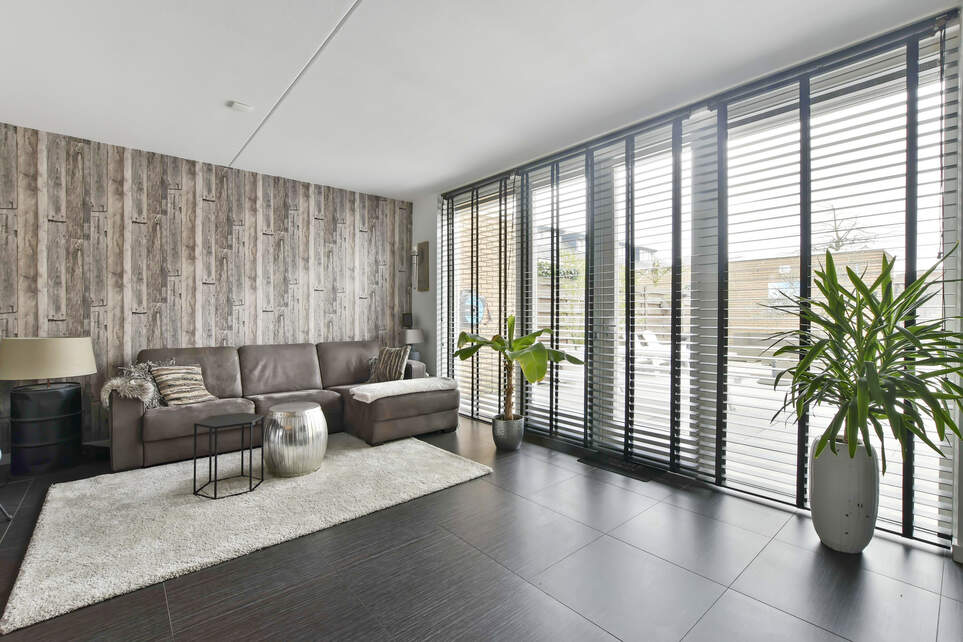
Working from home is much easier when the room is bright and inspiring. Natural light can make a workspace feel more open, but direct sun can become frustrating. Screens are difficult to see, the room can get too hot during the day, and video calls can be affected by harsh backlighting.
At Cambridge Blinds, we often speak with clients who don’t want to completely shut out daylight. They just want better control, so the space stays bright without becoming uncomfortable, and installing the right blinds can make all the difference. The best choice depends on where the window is located, how much privacy you need, and how the space is used throughout the day.
Start with the Desk, Not the Window
It’s tempting to choose blinds by only thinking about the window and the look you want to create. However, for a home office, desk position is one of the most important factors to consider. If you face the window, direct sun can make it difficult to see your screen. If the window is behind you, you might get glare across your monitor. If the light comes from the side, it might be fine in the morning but distracting later in the day.
So, always start by looking at how the room is laid out. Where do you sit? When does the sun become a problem? Do you need privacy from the street or neighbouring homes? These answers help narrow down the options quickly. In some cases, moving the desk slightly can also help. In others, the blind needs to do more of the work.
Choose Light Control Rather than Blackout
Blackout blinds can be useful in bedrooms, but they aren’t always the best answer for a workspace used during the day. They are designed to block all of the natural light, which can make the room feel dark and dingy.
For most offices, window blinds that help control light levels work better. The aim is to soften the sunlight without making the room pitch-black. This could mean a roller blind with fabric that filters brightness, a venetian blind that can be adjusted during the day, or a bottom-up design that protects the lower part of the window while keeping the top open. At Cambridge Blinds, we offer a wide range of made-to-measure blinds, so you can find something that perfectly fits your home office and light-control needs.
Use Bottom-Up Blinds for Privacy and Daylight
If your workspace is on the ground floor, at the front of the house or overlooked by neighbours, privacy might be as much of a concern as natural light. Closing a standard blind can stop prying eyes, but it also blocks all daylight, which can impact motivation during the working day.
Bottom-up blinds are useful because they operate in the opposite direction, from the bottom of the window upwards. You can cover the area where people are most likely to see into your home while leaving the upper part open to let sunlight in. This can make the room easier to work in, especially if you spend long periods at your desk. You get privacy, but the space doesn’t feel shut away from the outside. They can also help when low sun causes issues at desk height, as the blind can be adjusted to cover the exact part of the window causing the problem.
Consider Silhouette Blinds for a Softer Finish
Silhouette blinds are a good option when you want to soften bright daylight without making the room feel closed in. They offer a more elegant finish than a standard office-style blind while still providing the adjustability of a Venetian blind.
The design is clever because the soft fabric vanes sit between two layers of sheer fabric. This allows you to tilt the vanes and control how much filtered light enters the room. In a home office, this helps reduce harsh glare on your screen, create a welcoming atmosphere, and keep the space bright enough to work comfortably. Silhouette blinds can work especially well in rooms used for more than one purpose, such as a spare room, bedroom, or living room that is also a home office. They help the window feel more styled and finished.
Look at Duette Blinds for Heat and Glare
Some workspaces are difficult to use because they are warm as well as bright. This is common in garden-facing rooms, converted loft spaces and conservatories, where sunlight can build throughout the day. Duette blinds are worth considering when temperature control is part of the problem. Their honeycomb construction helps keep heat out in summer and retain warmth during winter, making them useful all year round.
They can also help reduce glare and UV exposure, which is useful if you work with a screen or want to protect furniture and soft furnishings from strong sunlight. Depending on the room, Duette blinds are available in different styles and control options, including manual, smart cord and electric operation, offering a more practical solution than a basic fabric blind.
Consider Vision Blinds for Flexible Light and Privacy
Vision blinds are another good option for a home office where you want to control light without completely blocking it. Their design uses two sliding layers of fabric with sheer horizontal strips, allowing you to adjust how much light comes through and how much privacy you have.
This can be useful in a workspace where the room’s needs often change throughout the day. You might want more natural light in the morning, better privacy during video calls, or softer light when the sun moves across your desk. Vision blinds give you that flexibility with a modern finish, offering a window covering that is practical and also looks great.
Think About Electric or Battery Operation
A window blind needs to be easy to use; otherwise, it will likely remain in one position throughout the day. Electric or battery-operated blinds can be particularly useful for skylights, high windows, large glazing or windows behind furniture. Instead of stretching over a desk or leaving the blind open because it is awkward to reach, you can adjust it more easily.
This can also be helpful if the room has several windows. Rather than manually adjusting each blind several times a day, you can manage the light more conveniently. Depending on the electric blinds you choose, you may even have the option to pre-program them to open and close at different times, so you don’t have to worry about it while you’re working.
Choose a Style that Still Feels Like Home
Even if the room is used for work, the blinds should suit the whole home. A simple roman blind can work well in a modern office, while silhouette blinds may feel better in a multi-purpose space. Duette blinds can suit practical rooms where comfort is the main focus.
Colour and pattern are important too. Pale fabrics can make the room feel light and open. Darker shades can provide a stronger contrast and better control, but they can also change the mood of the space. Samples are useful because colours often look different when placed against the window in natural light.
Speak to Cambridge Blinds About Home Office Blinds
Choosing the perfect blinds for a home office is about balance. You need enough daylight to make the room inviting, but also enough control to reduce screen glare, protect privacy, and manage strong sunlight.
While the blind design is important, so is the measuring and fitting. A professional blinds installer can assess the space properly before recommending a solution. This includes looking at window shape, handles, opening direction, recess depth, desk position, and awkward access. These details can influence which blind is suitable and how it should be fitted, especially for electric blinds, shaped windows, rooflights and larger glazing.
At Cambridge Blinds, we help homeowners choose bespoke blinds that suit the way they use each room. If your workspace feels too bright, exposed or difficult to use at certain times of day, get in touch with us today. We would be happy to arrange a consultation and help you choose blinds that keep the room bright, practical and comfortable for working from home.